
Regular maintenance and repair of masonry chimneys are essential to ensure both the integrity and safety of your home. Exposure to weather conditions such as rain, snow, and freeze-thaw cycles can lead to deterioration, causing cracks and water infiltration. These issues, if left unaddressed, can escalate into more severe structural problems. Therefore, timely masonry chimney repair is crucial.
Regular inspections are a key aspect of effective masonry chimney repair. They allow for the early detection of problems, preventing further damage and potentially costly repairs. By identifying issues such as spalling or cracked bricks early, homeowners can address them promptly and maintain the functionality and safety of their chimneys.
Selecting experienced professionals for masonry chimney repair is vital to ensuring compliance with safety standards and building codes. Trained experts use advanced techniques and materials to enhance the durability of chimneys. Hiring the right professionals not only guarantees quality workmanship but also provides peace of mind regarding the safety of your household.
Proper maintenance of masonry chimneys helps in extending their lifespan and protecting your home. It reduces the risk of chimney fires and structural failures, ensuring efficient operation. By investing in regular masonry chimney repair, you are also investing in your home’s safety and longevity.
Masonry chimney repair is a critical aspect of home maintenance that should never be overlooked. The exposure of brick and mortar chimneys to various weather conditions, including rain, snow, and freeze-thaw cycles, can lead to significant structural damage over time. This damage often manifests as cracks, spalling, and water infiltration, all of which compromise the chimney’s integrity. Such issues can pave the way for more severe problems, including the potential for chimney fires and structural failures. Regular inspections and timely masonry chimney repair can prevent these hazards, ensuring the safety and longevity of your chimney.
Understanding the importance of masonry chimney repair begins with recognizing its role in preventing structural damage. Early identification of problems such as damaged mortar or cracked bricks through regular inspections is vital. Techniques like tuckpointing, where old mortar is replaced, can effectively forestall deterioration. The use of improved materials and methods enhances the durability and performance of masonry chimneys.
Another crucial aspect of masonry chimney repair is maintaining efficient chimney performance. A well-maintained chimney contributes to proper ventilation and increases the efficiency of your heating system. Chimney liners may require repair or replacement to protect the chimney’s interior, further promoting safe and efficient operation. Engaging experienced professionals for masonry chimney repair ensures compliance with safety standards and reduces the risk of chimney fires, highlighting its importance for household safety.

Cracks in the Brickwork
One of the earliest indicators of masonry chimney repair needs is the presence of cracks in the brickwork. These cracks often result from prolonged exposure to harsh weather conditions. If left unaddressed, they can lead to more severe structural issues. Regular inspections can help identify these problems early on, allowing for timely repairs that prevent further damage.
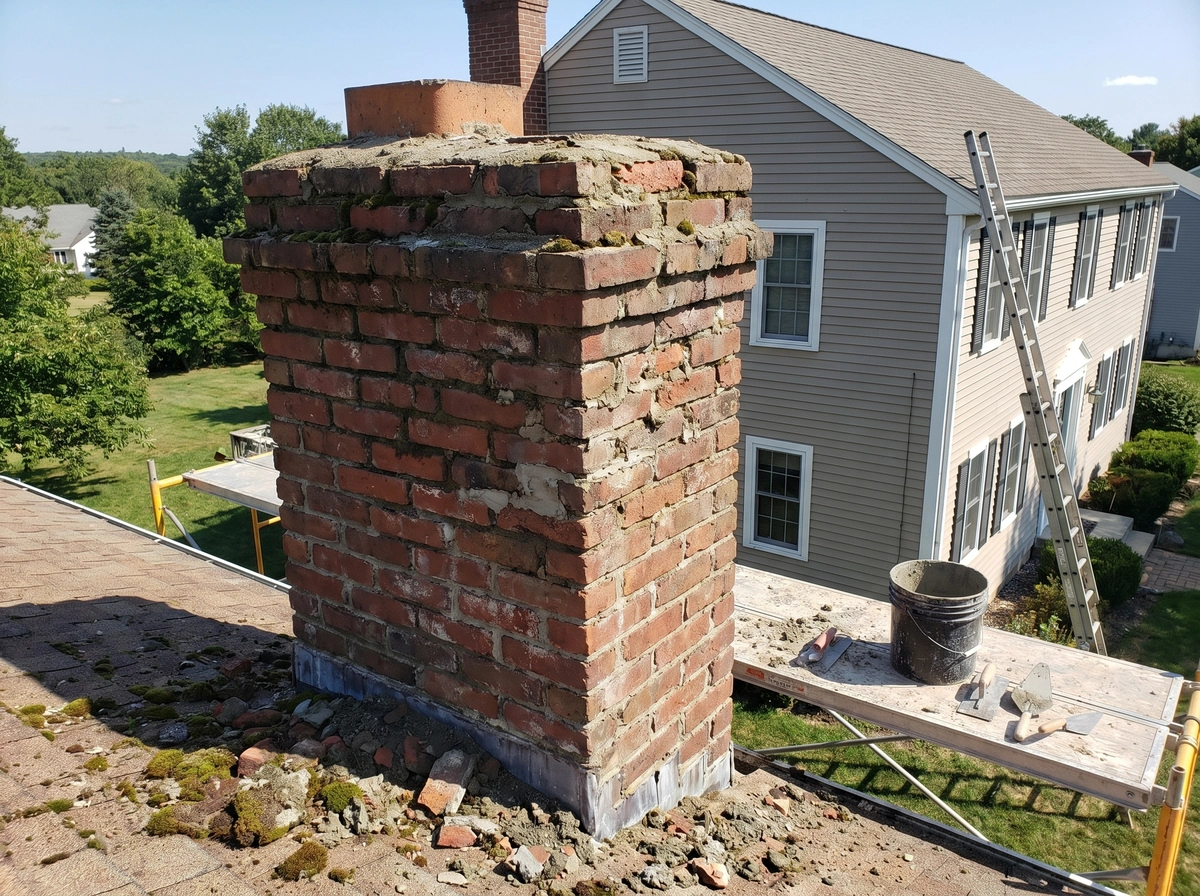
Spalling bricks are another common sign of chimney deterioration. This occurs when the surface of the brick flakes off due to moisture infiltration and freeze-thaw cycles. Over time, spalling bricks can compromise the chimney’s integrity. To maintain a safe and efficient chimney, it’s essential to conduct masonry chimney repair when spalling is detected.
Water damage is a significant concern for masonry chimneys. Indicators include water stains on the interior walls near the chimney and vegetation growth on the exterior. Both are signs that water has penetrated the chimney structure, necessitating prompt masonry chimney repair to prevent more extensive damage and ensure the chimney’s longevity.
Weather plays a significant role in the longevity and maintenance requirements of masonry chimneys. Rain, snow, and freeze-thaw cycles are particularly detrimental, leading to the gradual degradation of bricks and mortar. When rainwater penetrates a masonry chimney, it can seep into the porous materials, weakening the structural integrity over time. During winter, the freeze-thaw cycles cause water absorbed by the chimney to expand and contract, resulting in cracks and spalling. These conditions make regular masonry chimney repair essential to prevent significant damage and ensure optimal functioning.
Rain can cause water infiltration and deteriorate the mortar joints of a masonry chimney. This water infiltration, if not addressed promptly, can lead to serious issues such as mold growth and structural weakening. Regular masonry chimney repair, including proper sealing and tuckpointing, helps to prevent these problems by ensuring that bricks and mortar are adequately protected.
The freeze-thaw cycle particularly affects masonry chimneys in colder climates. Water trapped in cracks or absorbed into the masonry expands upon freezing, exacerbating existing damage. Over time, these cycles can lead to more extensive repairs if not addressed early. Regular inspections and masonry chimney repair are key to mitigating damage from freeze-thaw cycles, ensuring the chimney remains safe and functional.
Conducting regular inspections of masonry chimneys is a vital aspect of maintenance that can potentially save homeowners significant amounts of money. Masonry chimney repair can become an expensive endeavor if issues are not addressed early. Annual inspections are pivotal in detecting early signs of wear and tear, such as cracks, spalling, or water infiltration. These problems, if left unchecked, could lead to more severe damage, necessitating extensive and costly masonry chimney repair.
Identifying issues during regular inspections allows for timely masonry chimney repair, which can prevent the progression of damage. When minor problems are addressed early, it is possible to avoid the expense and hassle of more extensive repairs later on. This proactive approach to maintenance is critical in ensuring that your chimney remains in excellent condition year after year.
Regular inspections are not just about cost savings; they are essential for ensuring the safe operation of your chimney. A damaged liner or cracked bricks pose significant risks, including chimney fires and structural failures. By conducting annual inspections and scheduling any necessary masonry chimney repair, homeowners can safeguard their families and extend the life of their chimneys.
The structural integrity of a masonry chimney is vital for its long-term durability and performance. Regular inspections can pinpoint areas that need masonry chimney repair, ensuring that any compromised components are addressed before they can cause major issues. Through consistent maintenance efforts, homeowners can enjoy peace of mind knowing their chimneys are both safe and efficient.
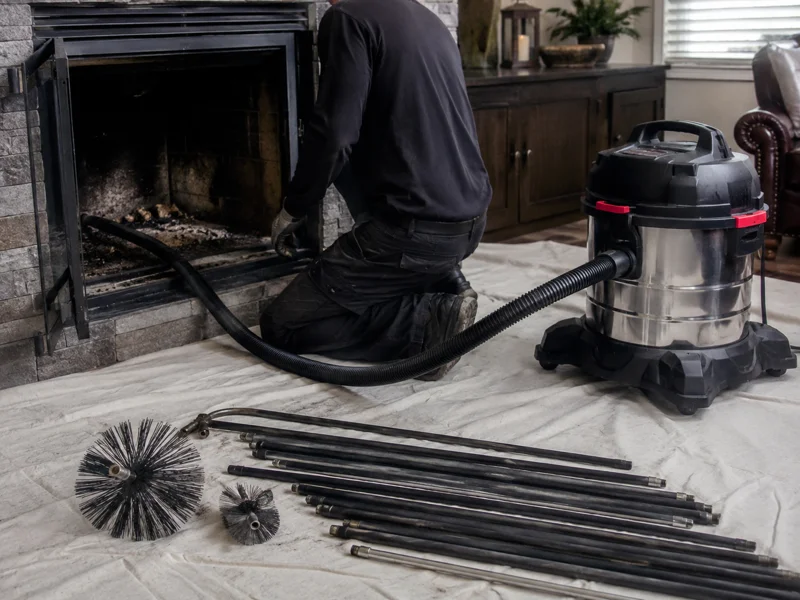
Masonry chimneys, while robust, require regular maintenance to counter the effects of environmental exposure. A fundamental aspect of masonry chimney repair is identifying the specific types of damage, such as cracks or spalling, that may affect the structure’s integrity. Effective techniques begin with a thorough inspection to detect issues early, which not only reduces the risk of further deterioration but also minimizes repair costs over time. The durability of repair solutions largely depends on the correct application of techniques and the use of modern materials.
One of the prevalent methods in masonry chimney repair is tuckpointing. This involves the careful removal and replacement of deteriorated mortar between bricks. The benefit of tuckpointing lies in its ability to restore both the strength and appearance of a chimney by reinforcing its structural integrity. Additionally, it helps prevent water infiltration, a primary cause of ongoing damage.
When bricks themselves are cracked or damaged, replacing or sealing them becomes crucial. This process ensures that the chimney remains structurally sound. By addressing individual brick issues, masonry chimney repair can effectively prevent the formation of more substantial problems that might arise due to unchecked deterioration.
Chimney liners play an essential role in masonry chimney repair by protecting the flue and improving efficiency. Repairing or replacing damaged liners prevents hazardous gases from entering the home, thereby ensuring safety. Modern liners are designed to withstand intense heat and resist corrosive substances, enhancing the overall durability of the chimney system.
Tuckpointing plays a crucial role in masonry chimney repair, focusing on restoring both strength and aesthetics. By meticulously replacing damaged mortar with new, fresh material, tuckpointing not only fortifies the chimney’s structure but also refreshes its appearance. Weather conditions, like persistent rain and harsh winters, can erode the mortar that binds bricks together, jeopardizing the chimney’s stability. Through tuckpointing, compromised mortar is carefully removed and replaced, ensuring the chimney remains durable and reliable. This method is essential for maintaining a safe household, as it prevents further degradation that could lead to structural failures or chimney fires.
During the tuckpointing process, professionals precisely extract deteriorated sections of mortar, which are then substituted with a sturdy mix that reinforces the chimney’s integrity. This crucial step in masonry chimney repair helps in maintaining the original alignment and strength of the structure. By preventing gaps and cracks, tuckpointing mitigates the risks of water infiltration and subsequent damage.
Tuckpointing doesn’t just enhance functionality; it also revives a chimney’s visual appeal. Using mortar that closely matches the original shade ensures a seamless look. This aesthetic consideration is a vital component of masonry chimney repair because a restored chimney complements the overall facade of the building, thereby increasing its curb appeal.
When it comes to masonry chimney repair, addressing chipped or cracked bricks is a crucial maintenance task that ensures the longevity and integrity of the structure. The process of replacing and sealing these damaged bricks not only protects the chimney but also prevents water infiltration, which can lead to further deterioration if left unchecked. Professional assessment is recommended to identify the extent of the damage, followed by carefully removing the compromised bricks and replacing them with new ones. It’s vital to employ mortar that matches the existing texture and color to maintain the aesthetic appeal.
Before initiating any masonry chimney repair, it is essential to clean the chimney thoroughly. Remove any debris or loose parts around the damaged bricks to create a stable working environment. Additionally, ensure that the surrounding mortar joints are intact, as this will support new applications and improve the overall durability of the repair work.
Once the new bricks are set in place, the application of a high-quality sealant is necessary. This sealant acts as a barrier against moisture, safeguarding the bricks from future weather-induced damage. The sealant should be applied evenly to cover all joints and exposed brick surfaces completely. Conduct regular inspections post-repair to ensure the sealant remains intact and effective in preventing water ingress.
Chimney liners play a vital role in the overall functionality and safety of your home’s heating system. They serve as a barrier that protects the chimney walls from heat and corrosion caused by wood smoke and combustion gases. Without a properly maintained liner, the gases produced by your fireplace could potentially seep into the living areas of your home, posing serious health risks. Additionally, the integrity of the chimney liner is crucial for maintaining efficient energy use. By ensuring that heat is directed up through the chimney, liners contribute to the optimal burning of fuel, thus conserving energy.
Over time, chimney liners can develop issues such as cracks or deterioration, which may compromise their ability to function properly. Regular maintenance and inspections are key aspects of masonry chimney repair. By promptly addressing any signs of damage, you can prevent more extensive repair needs that could disrupt your chimney’s safety and efficiency. This proactive approach not only boosts energy efficiency but also enhances the durability of the entire masonry chimney structure.
Sometimes, repairs might not be sufficient, necessitating the replacement of the chimney liner. It’s important for homeowners to recognize when a liner is beyond repair to avoid potentially hazardous situations. Engaging a professional for masonry chimney repair ensures that any work on the liner adheres to safety regulations and improves the system’s performance. Expert assessment and intervention can greatly increase the longevity of your chimney, ensuring it remains a safe component of your home.
In recent years, the field of masonry chimney repair has seen significant advancements in both materials and techniques. These innovations are crucial for enhancing the durability and performance of masonry chimneys, which are constantly exposed to harsh weather conditions. By integrating new materials, such as high-strength concrete and advanced sealants, professionals are better equipped to prevent common issues like cracks and water infiltration. These modern materials are designed to withstand extreme temperatures and environmental stressors, which is essential for long-lasting chimney maintenance.
In addition to material advancements, contemporary repair techniques have also evolved, providing more efficient and effective solutions. For instance, improvements in tuckpointing procedures allow for precision removal and replacement of damaged mortar, ensuring a seamless match with existing structures. Moreover, new methods for installing and repairing chimney liners have been developed to improve chimney safety and efficiency. Emphasizing the importance of these techniques in masonry chimney repair can significantly extend the life of chimneys while maintaining household safety.
While advancements in masonry chimney repair materials and techniques provide enhanced options for maintenance, the expertise of a skilled professional remains integral. Hiring experienced professionals ensures that repairs comply with current safety standards and building codes, and that the latest innovations are effectively utilized. These experts can conduct thorough inspections and recommend appropriate measures tailored to specific chimney needs, ultimately preventing potential hazards such as structural failures or chimney fires.
Hiring experienced professionals for masonry chimney repair is crucial in ensuring the safety and longevity of your home. Professionals are trained to comply with safety standards and building codes, reducing the risk of accidents and potential chimney fires. With their expertise, they can detect issues that may be overlooked by an untrained eye, ensuring all necessary repairs are completed thoroughly and effectively.
Adhering to safety standards in masonry chimney repair is vital for minimizing hazards. Properly repaired chimneys prevent structural failures, reducing the risk of accidents in your home. Professionals bring the necessary skills and knowledge to apply these standards correctly. This attention to detail ensures that repairs do not just fix surface issues but address underlying problems, effectively prolonging the life of the chimney.
Expertise in masonry chimney repair ensures that professionals use the most advanced materials and techniques. This not only enhances the durability of the chimney but also optimizes its performance. Employing professionals means fewer future repairs, saving you money in the long run. Consider these benefits:
Engaging experts offers reassurance that your chimney will operate safely and efficiently for years to come.

Proper chimney maintenance is essential in reducing the risk of fires, especially through the prevention of flammable creosote accumulation and addressing structural vulnerabilities. Creosote, a byproduct of burning wood, can build up in chimneys and pose a significant fire hazard. Regular cleaning is a crucial component of masonry chimney repair and maintenance to remove this buildup. Cleaning should be performed by professionals at least once a year to keep your chimney safe and efficient.
Creosote can accumulate rapidly, especially with frequent use of a fireplace. To minimize this risk, burn seasoned hardwood and ensure the damper is fully open to improve airflow. This practice reduces the chances of creosote forming and contributing to chimney fires, which can be catastrophic.
Conduct regular inspections to identify any structural issues affecting your chimney. These inspections are a fundamental part of masonry chimney repair, as they help detect cracks, spalling, and other vulnerabilities. Ensuring that the chimney is structurally sound is vital to preventing fires and ensuring the chimney’s long-term reliability.
Professional masonry chimney repair services are essential for these tasks, as they ensure compliance with safety standards and building codes, ultimately reducing the risks of chimney fires.
Adhering to safety standards and building codes is an integral aspect of any masonry chimney repair project. These guidelines ensure that repairs are not only effective but also safe and lawful. Building codes vary by region, but they universally emphasize the structural integrity and fire safety of chimneys. They often specify materials, techniques, and dimensions suitable for masonry chimney repair, ensuring that the repaired chimney can withstand harsh weather conditions and operate safely.
Following safety standards is crucial for minimizing potential hazards. Non-compliance can lead to severe issues such as structural failures and chimney fires, endangering your home and family. Additionally, adhering to standards protects homeowners from legal and insurance complications. Hiring skilled professionals for masonry chimney repair can ensure that all work aligns with national and local standards.
Understanding key safety measures is essential. Here are some pivotal points:
These guidelines are just a few examples, yet they underscore the importance of thorough knowledge and careful implementation during masonry chimney repair. Compliance not only ensures safety but also enhances the longevity of your chimney.
Hiring the right professionals for masonry chimney repair is crucial to ensuring that you receive dependable and high-quality service. Start by researching local contractors who specialize in masonry chimney repair and have a proven track record of successful projects. Verified reviews and testimonials from previous clients can provide valuable insights into the contractor’s reliability and workmanship.
Verify that contractors are licensed, insured, and knowledgeable about current building codes and safety standards. Experience matters, as seasoned professionals are more adept at handling complex issues related to masonry chimney repair. Don’t hesitate to ask for a portfolio of their past work to assess their skill level and expertise.
Effective communication is vital. The right contractor will be transparent about the masonry chimney repair process, providing clear estimates and timelines. A trustworthy professional should be open to discussing your concerns and answering any questions you may have. This transparency ensures there are no surprises and builds trust throughout the project.