
Regular chimney maintenance is crucial for ensuring both safety and efficiency in your home. Over time, soot and creosote accumulate, posing significant fire hazards. Understanding how to clean a chimney effectively involves both safety precautions and knowledge of the process, whether you’re enlisting professional help or undertaking it as a DIY project. Equipped with this understanding, you’ll be ready to maintain a clean, safe chimney.
Before starting, gather essential tools: chimney brushes, rods, and vacuums. Properly cleaning a chimney requires using these specialized tools to effectively remove debris and buildup. Make sure the area is well-ventilated and wear appropriate safety gear to prevent injury during the cleaning process.
Performing regular chimney maintenance reduces the risk of chimney fires and enhances your heating system’s efficiency. Clean chimneys also help extend their lifespan and maintain indoor air quality. Whether you’re a seasoned DIYer or hiring a professional, knowing how to clean a chimney ensures effective operation.
Inspect the chimney for potential blockages. Use appropriate tools to remove accumulated soot and creosote. Ensure proper disposal of debris post-cleaning. Remember, knowing how to clean a chimney can significantly enhance safety and efficiency, empowering homeowners to address chimney maintenance confidently and successfully.
Chimney cleaning is a crucial task for maintaining household safety and efficiency. One of the primary reasons for this maintenance is to prevent the accumulation of creosote, a highly flammable byproduct of burning wood. This buildup poses significant fire hazards if not addressed promptly. Regular inspection and cleaning significantly reduce these risks, ensuring that your fireplace or wood stove operates safely throughout the heating season. Learning how to clean a chimney properly can help you safeguard your home against potential fire outbreaks.
A clean chimney is essential for improving the efficiency of your heating system. Accumulated soot and debris can obstruct the chimney’s airflow, leading to inadequate ventilation and decreased heating performance. By regularly maintaining your chimney, you enhance the system’s ability to efficiently channel smoke and gases out of your home. Understanding how to clean a chimney effectively plays a key role in optimizing your heating performance and extends the life of your chimney.
Another critical aspect of chimney cleaning is the preservation of indoor air quality. A clogged or dirty chimney can cause smoke and harmful gases to back up into your living space, posing health risks to you and your family. Regular maintenance, with a clear understanding of how to clean a chimney, ensures proper ventilation and cleaner air, contributing to a healthier and more pleasant home environment.
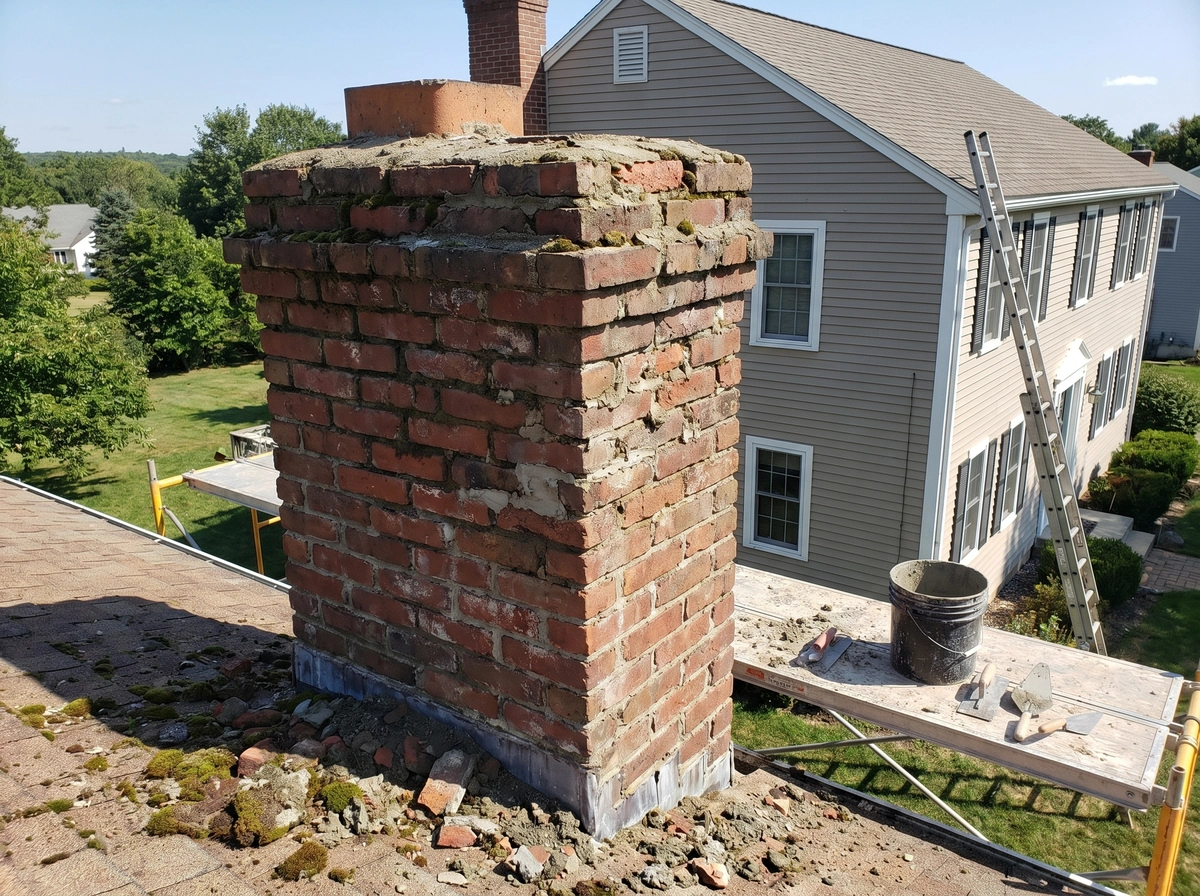
A chimney consists of several critical components: the flue, damper, and crown, each playing a vital role in the ventilation process. The flue is essentially a duct or pipe that safely channels smoke and gases out of your home. Proper maintenance ensures no harmful buildup interferes with its function. Knowing how to clean a chimney involves thoroughly addressing any soot and creosote accumulation in the flue to prevent fire hazards.
The damper is another crucial component located within the chimney, allowing you to control airflow and regulate ventilation. It needs regular inspection to ensure it opens and closes properly. During cleaning, special attention should be given to ensure debris doesn’t prevent its functionality, which is a key aspect of understanding how to clean a chimney effectively.
The chimney crown, a slab that seals the top of the chimney, prevents water infiltration. It is important to inspect and maintain this part of the chimney as cracks or wear can lead to moisture issues inside the chimney. Recognizing the crown’s importance is vital when learning how to clean a chimney, as it protects against external elements that could compromise the overall structure.
When embarking on the task of learning how to clean a chimney, starting with the right tools is crucial. Essential equipment includes chimney brushes, adjustable rods, and a powerful vacuum designed for soot and creosote removal. These tools effectively tackle the buildup that, if left unchecked, poses a significant fire hazard. Obtaining a reliable set of brushes with varying sizes can accommodate the specific dimensions of your chimney, ensuring a comprehensive cleaning.
Before diving into how to clean a chimney, prioritizing safety gear is a must. Invest in durable safety goggles and a dust mask to protect against harmful dust particles. A sturdy pair of gloves will shield your hands from sharp debris, while a hat and old clothing you don’t mind getting dirty offer additional protection. Proper attire not only enhances safety but also allows you to focus fully on the task at hand.
When preparing how to clean a chimney, ensuring workspace safety is equally important. Clear the area around the fireplace and have a fire extinguisher nearby. Good ventilation is crucial, so open windows or doors as required. With these preparations in place, you’ll be equipped to conduct a thorough, safe chimney cleaning session, improving the safety and efficiency of your home heating system.
Scheduling regular chimney cleanings is crucial to ensure the safety and efficiency of your fireplace or wood stove. Understanding how to clean a chimney and knowing the optimal times for this essential maintenance task can greatly reduce the risk of chimney fires caused by soot and creosote accumulation. A key period to focus on is before the autumn and winter months. As these are the peak seasons for fireplace use, having the chimney professionally inspected and cleaned ensures it operates safely and effectively. The National Fire Protection Association strongly advises scheduling these cleanings annually to minimize fire hazards and to maintain proper ventilation.
Caring for your chimney before the heating season is a preventive measure that keeps your home safe. By learning how to clean a chimney effectively, you enhance its performance during colder months. This task involves using specialized tools, but it is highly recommended to hire professional chimney sweeps who can identify potential issues, such as blockages or structural damage, that could go unnoticed by the untrained eye.
Regular maintenance not only focuses on how to clean a chimney but also on monitoring its condition over time. Chimneys are subject to wear and tear like any other part of your home. Inspecting them periodically, even during off-peak seasons, helps in spotting minor problems before they escalate. Keeping an eye on the chimney’s functionality ensures that your heating system remains efficient and your indoor air quality high.
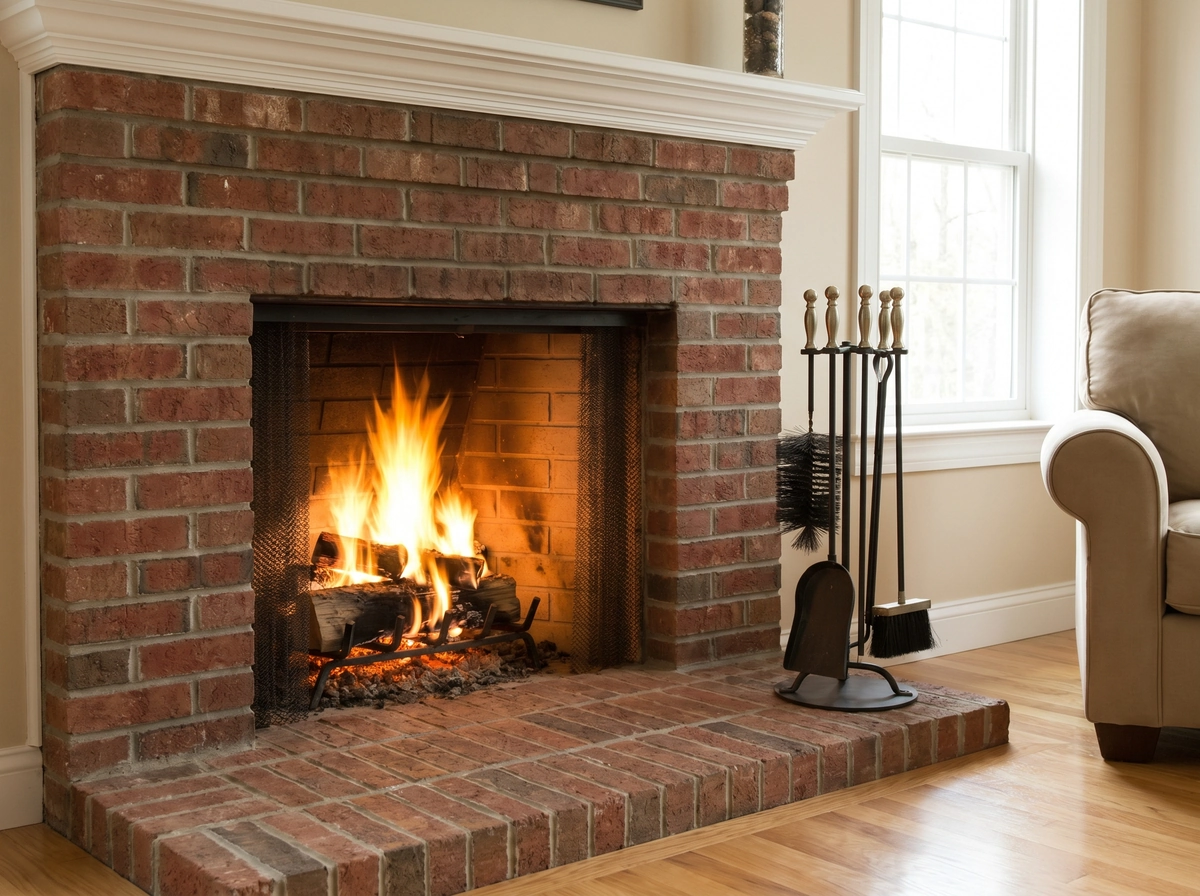
Before diving into the specifics of how to clean a chimney, it’s crucial to take preliminary steps to prepare your fireplace or wood stove. Firstly, ensure the surrounding area is secure to prevent any damage or mess. This involves removing any objects from the hearth and securing the furniture. Cover the floors and nearby furniture with drop cloths or tarps to protect them from soot and dust.
Ventilation is another critical factor when thinking about how to clean a chimney. Open all windows and doors in the room to allow fresh air to circulate. This not only helps in dispersing any dust or fumes that might escape during cleaning but also ensures safety from potential smoke inhalation.
Here’s a quick checklist to ensure you’re ready:
By following these preparation tips, you set a solid groundwork for how to clean a chimney, ensuring a safer and more efficient cleaning process. With everything in place, you’re ready to proceed with the cleaning, knowing you’ve minimized potential hazards and protected your home environment.
Regular chimney inspection is a vital step in maintaining a safe and efficient fireplace or wood stove. Learning how to clean a chimney starts with understanding the importance of identifying blockages and structural damage. A thorough inspection helps ensure proper ventilation and reduces the risk of dangerous chimney fires. When examining your chimney, pay close attention to creosote buildup, as well as any unusual wear or obstruction that could affect performance.
Begin your inspection by checking for common blockages like bird nests, leaves, or other debris. Such obstructions can significantly impact how to clean a chimney effectively. Use a flashlight to peer up the flue for any visible blockages that might impede airflow, ensuring a clear path for smoke and gases to exit safely.
Examine the chimney’s masonry for signs of damage, cracks, or deterioration. Detecting these issues early helps maintain the chimney’s structural integrity and is a critical aspect of how to clean a chimney properly. Address any damage promptly to prevent more severe problems, such as water leaks or collapse.
Consider hiring a professional chimney sweep if you discover significant issues during your inspection. Professionals are trained in how to clean a chimney thoroughly and can provide valuable insights. Their expertise ensures any hidden problems are addressed, maintaining the safety and efficiency of your heating system. Regular inspections and maintenance play an essential role in the overall care of your chimney.
Chimney cleaning is a crucial part of maintaining a safe and efficient heating system in your home. Learning how to clean a chimney effectively involves understanding the techniques for using chimney brushes and rods to tackle soot and creosote buildup. Different areas of the chimney may require different approaches. For example, the flue can often be cleaned by attaching a brush to flexible rods that allow for maneuverability around curves or bends. Ensuring a thorough clean without damaging the chimney’s structure is essential, as improper technique can lead to costly repairs or even safety hazards.
Choosing the right chimney brushes and rods is pivotal in how to clean a chimney safely. Brushes come in various shapes and sizes, matching the diameter of your chimney to ensure effective cleaning. Flexible rods are essential for reaching high or challenging spots, allowing you to navigate bends without forcing or breaking.
When considering how to clean a chimney, using rhythmic, gentle scrubbing motions helps remove soot and creosote effectively. Start from the top and work your way down to ensure debris falls downward and is subsequently removed. This method prevents loosening structural materials, ensuring a safe and thorough cleaning experience.
Ensure that the area around your chimney is secure before you begin. Using a vacuum during the cleaning process can help manage falling debris and improve air quality inside your home. By following these tips, how to clean a chimney becomes a safe and efficient process, reducing risks of fires and improving heating functionality.
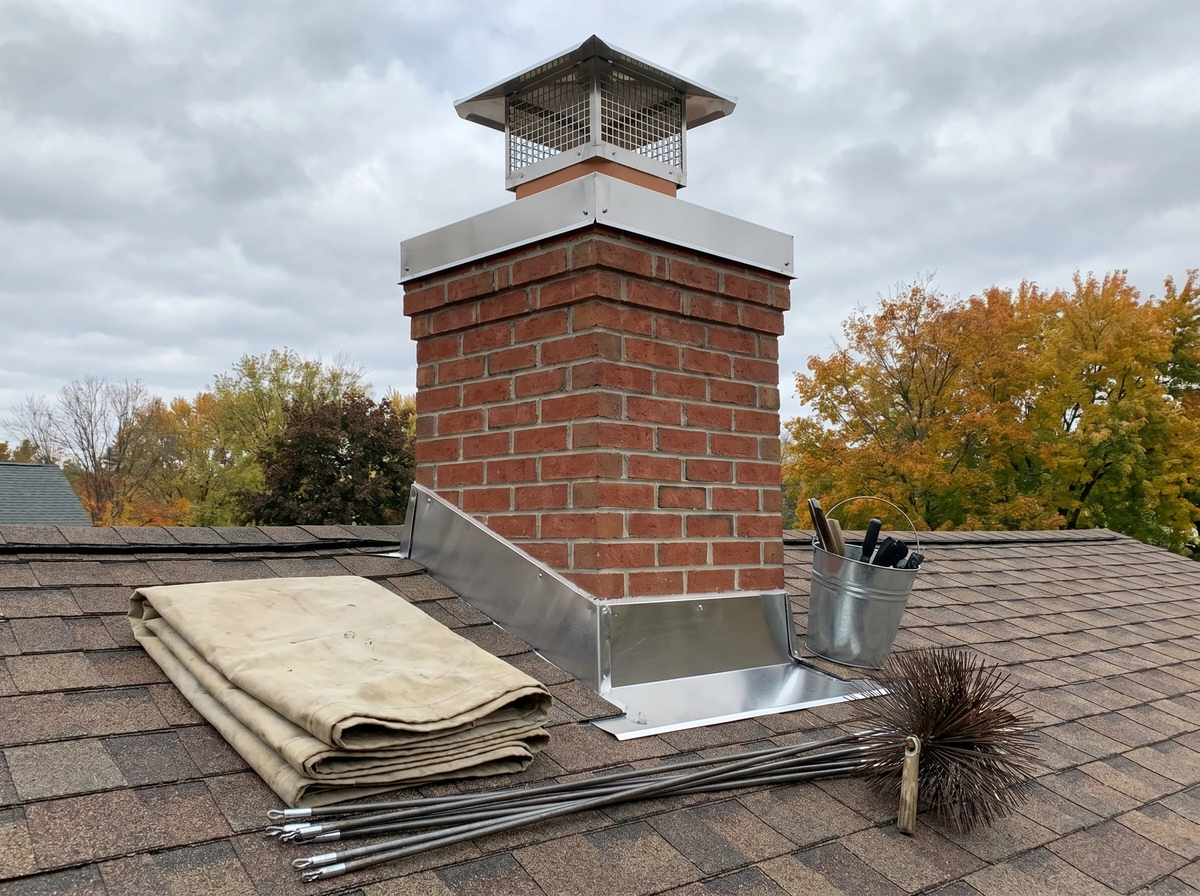
Soot and creosote are common byproducts of burning wood, and their buildup in chimneys poses a significant fire hazard, especially if left unchecked. Learning how to clean a chimney effectively is crucial for maintaining safety. A detailed cleaning process includes using chimney brushes, rods, and vacuums to remove these flammable substances thoroughly. Regularly addressing soot and creosote accumulation is not just about safety but also about ensuring your chimney operates efficiently throughout the heating season.
Before embarking on how to clean a chimney, it’s essential to gather the appropriate tools. Chimney brushes, available in various sizes, are key to scraping off stubborn creosote. Pairing them with extendable rods allows you to reach deep into the chimney. Additionally, a high-powered vacuum can help in removing loosened debris. Remember, using the correct equipment is the first step toward achieving an immaculate and safe chimney.
When learning how to clean a chimney, following a structured approach ensures optimal results. Begin by sealing the fireplace to prevent soot from spreading indoors. Carefully insert the brush into the chimney and scrub in a consistent up-and-down motion. After brushing, use a vacuum to remove any lingering particles. This comprehensive method not only enhances chimney performance but also ensures a lower risk of fire incidents, contributing to a safe home environment.
Cleaning a chimney with a vacuum is an effective way to tackle the smaller particles that brushes might miss. When learning how to clean a chimney using this method, it’s important to select the right vacuum. Ideally, you should use a vacuum specifically designed for soot and ash, as regular household vacuums can become clogged or damaged by fine particles. These specialized vacuums often come with HEPA filters, which are crucial for capturing minuscule soot particles and preventing them from escaping into your indoor air.
Begin by ensuring the fireplace is completely cool to avoid potential hazards. Lay down protective coverings around the fireplace area to catch any stray debris. Always wear protective gear, such as masks and goggles, to shield yourself from dust and soot.
With the right vacuum, start at the top of the chimney and work your way down, making sure to reach all crevices. Use attachments to get into narrow or hard-to-reach areas. Take your time to ensure that all fine particles are thoroughly removed, improving ventilation efficiency.
After vacuuming, check the chimney for any remaining debris or buildup that may require additional attention. Dispose of the collected soot and ash in accordance with local waste regulations. Regular maintenance, including vacuum cleaning, plays a crucial role in extending your chimney’s lifespan and maintaining optimal air quality.
Ensuring the safety and efficiency of your home’s chimney isn’t limited to just understanding how to clean a chimney. Recognizing and addressing structural issues is equally crucial. Over time, factors such as weather exposure, repeated heating, and cooling cycles can lead to cracks or deterioration. Ignoring these issues might result in compromised structure and even pose a fire hazard. Homeowners should regularly inspect their chimneys for visible signs of damage.
Visible cracks in the chimney masonry or flue, leaning structures, or missing bricks are all warning signs. Moisture infiltration can also lead to further degradation. Consider professional help when these signs are evident, as these situations require a more comprehensive assessment. Learning how to clean a chimney is essential, but without addressing structural concerns, the risk of chimney fires remains.
When significant damage is suspected, seeking professional guidance is recommended. Experts can offer a detailed inspection, identifying issues that might not be apparent. Professional assessments ensure that all repairs are correctly executed, extending the lifespan of your chimney. Remember, knowing how to clean a chimney effectively includes comprehensively maintaining its structure to prevent potential hazards.
If you’re not confident in addressing these issues yourself, or if the damage seems extensive, it’s time to call in professionals. Their expertise not only guarantees a thorough inspection but also ensures safe and effective repairs. Being proactive in this regard is part of understanding how to clean a chimney and maintain it responsibly.
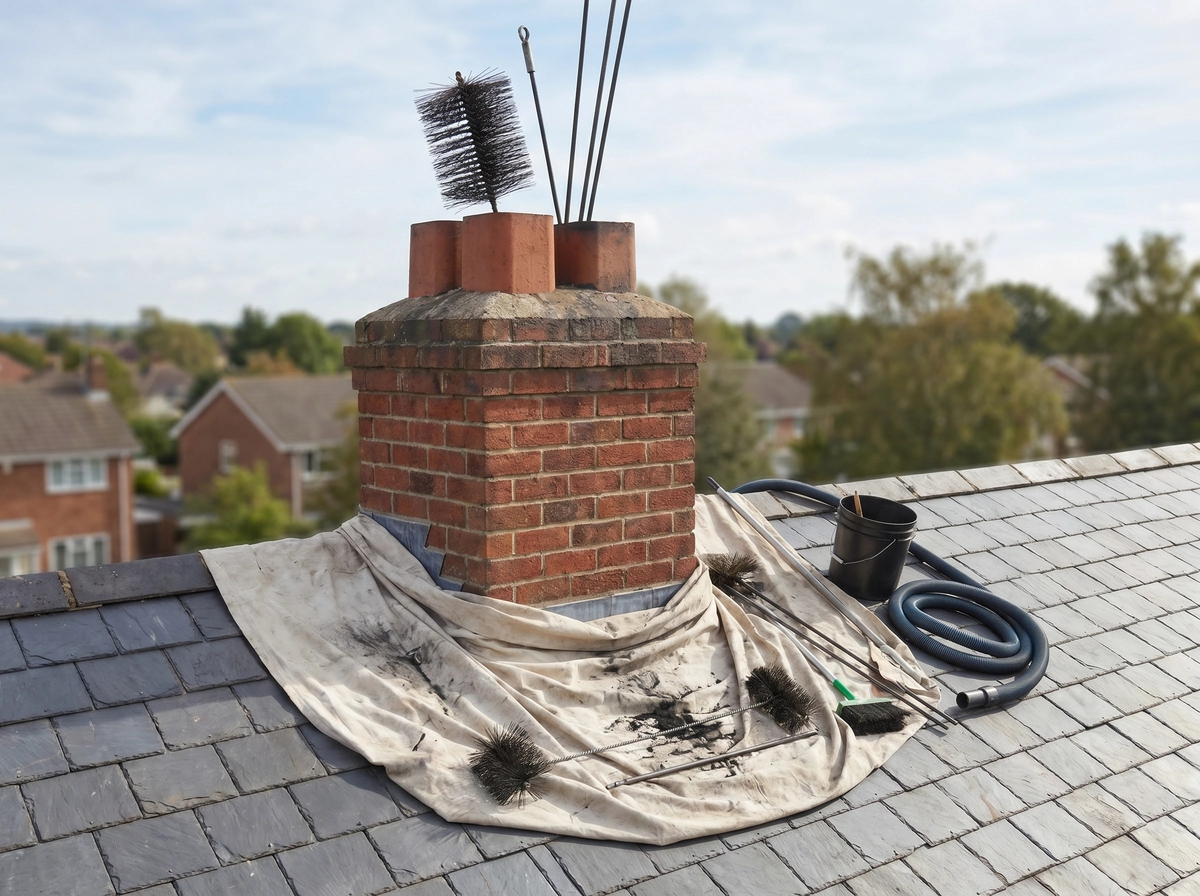
Engaging the services of professional chimney sweeps offers numerous benefits, especially for those seeking guidance on how to clean a chimney. These experts possess the necessary skills and knowledge to identify potential issues within the chimney structure, such as blockages or damage, which can be overlooked by untrained eyes. By ensuring a comprehensive clean, professional chimney sweeps effectively eliminate hazardous soot and creosote buildup, reducing the risk of dangerous chimney fires.
Professional chimney sweeps are trained to conduct thorough inspections, which are critical components of learning how to clean a chimney properly. They can spot early signs of wear or structural issues that may compromise the efficiency of your chimney system. By addressing these problems early, you can prevent expensive repairs down the line and maintain a safe home environment.
Another key advantage of hiring professional chimney sweeps is their access to specialized tools and techniques required for effective chimney maintenance. Unlike DIY approaches, professionals employ advanced equipment such as chimney brushes and vacuums to ensure a meticulous clean. For homeowners interested in understanding how to clean a chimney, professional services offer a level of thoroughness and precision that is typically hard to achieve on your own.
Cleaning your chimney safely is crucial to prevent injuries and ensure a thorough job when taking the DIY route. Start by gathering the necessary protective gear, such as safety goggles, a dust mask, gloves, and a sturdy ladder, to keep yourself safe during the process. Understanding how to clean a chimney effectively requires a combination of knowledge and the right tools, so make sure to have chimney brushes and extension rods ready. Before embarking on the task, inform someone nearby that you’ll be working on the roof, so they can respond in case of emergencies.
Before you start, inspect the chimney exterior for any visible damage, as this could affect the ventilation and safety during cleaning. Ensure that your workspace is secure and free from clutter, allowing you to focus on how to clean a chimney without distractions. Additionally, check the weather forecast to avoid working in adverse conditions like rain or strong winds, which could increase the risk of accidents.
Move methodically as you clean, starting from the top and working your way down, to prevent soot and debris from resettling in already cleaned areas. Learn to recognize signs of potential issues, such as excessive creosote buildup or obstructions, which may require professional attention. Always adhere to safety guidelines, maintaining a stable position throughout the process, ensuring how to clean a chimney is done without compromising your well-being.
Regular maintenance is crucial in ensuring both the longevity and safety of your chimney. Beyond just learning how to clean a chimney, it is essential to schedule regular inspections and carry out timely repairs. Inspections help identify potential issues early on, such as structural damage or blockages, which could pose safety risks or hinder proper ventilation. Addressing these issues promptly not only enhances safety but also contributes to a more efficient heating system.
Undertaking necessary repairs in a timely manner is a key aspect of chimney maintenance. Repairs might involve fixing cracks or replacing worn-out components, tasks that are vital to preventing further deterioration. By integrating these repairs with regular cleaning, you ensure your chimney remains in optimal condition, reducing the risk of hazards associated with neglected maintenance. Knowing how to clean a chimney is important, but combining this knowledge with an understanding of repair needs is essential for long-term safety.
Scheduling regular inspections is fundamental to maintaining a secure and functional chimney. Chimney sweeps are not only experts in how to clean a chimney but are also trained to spot underlying issues that may not be immediately apparent. Regular check-ups can lead to early detection of problems, allowing homeowners to address them before they escalate into serious concerns. This proactive approach maximizes the lifespan of your chimney and ensures a safe environment in your home.
Chimney cleaning is a crucial task that many homeowners may have questions about. One common query is how often this should be done. According to the National Fire Protection Association, it is recommended that chimneys be inspected and cleaned at least once a year, especially before the heating season begins. Regular maintenance not only helps in preventing potential fire hazards but also ensures that your heating system operates efficiently. Understanding how to clean a chimney effectively can help you maintain safety and improve indoor air quality.
When considering how to clean a chimney, it’s essential to know the different methods available. Professionals typically use specialized tools like chimney brushes, rods, and vacuums to thoroughly remove soot and creosote buildup. While DIY cleaning can be an option for those experienced in chimney maintenance, it’s important to adhere strictly to safety guidelines. Incorrect methods might not only harm the chimney but could also pose serious safety risks.
Safety is a primary concern for anyone learning how to clean a chimney. Professional chimney sweeps are trained to identify issues like structural damage and blockages, which can impede proper ventilation. If you decide on a DIY approach, ensure you have the right equipment and knowledge to avoid injuries. Regular cleaning and inspections are key practices that contribute not only to safety but also to the longer lifespan of your chimney.