
When it comes to home safety, prioritizing chimney fire prevention is essential for every household equipped with a fireplace or wood stove. The risk of chimney fires is often underestimated, yet the consequences can be devastating. By adopting a comprehensive approach that includes regular maintenance, safety should become a routine rather than an afterthought. This proactive attitude significantly reduces the potential hazards associated with chimney fires.
A key element in effective chimney fire prevention is scheduling annual inspections and cleanings. This routine helps identify any issues, such as creosote buildup, which is a common cause of chimney fires. Professionals can safely remove this flammable residue, ensuring your chimney functions efficiently and safely year-round.
Using seasoned hardwoods instead of softwoods is another critical measure in chimney fire prevention. Hardwoods burn cleaner and produce less smoke, minimizing creosote accumulation. Additionally, installing a chimney cap can prevent debris and animals from obstructing the airflow, a necessary step to avoid dangerous blockages.
Understanding the signs of a chimney fire, such as loud noises and dense smoke, can be life-saving. Advances in technology, including chimney liners, provide an extra safety layer. Incorporating these tools into your safety plan further fortifies your home’s defense against chimney fires.
Regular chimney inspections are vital for identifying potential hazards that may not be visible to the casual observer. These inspections focus on discovering structural damage, blockages, and excessive creosote buildup, all of which could lead to dangerous chimney fires if not promptly addressed. By prioritizing chimney fire prevention, homeowners can significantly reduce the risk of unforeseen fires, safeguarding both their property and lives. Routine inspections also provide an opportunity to implement other safety measures, such as installing chimney caps to prevent debris and animals from causing blockages.
A critical component of chimney fire prevention is the early detection of structural damage. Cracks and gaps in the chimney walls can lead to significant problems, including the leakage of flue gases. Regular inspections help in identifying such issues before they become severe. By addressing structural problems early, homeowners can prevent gas leaks and chimney fires, ensuring a safer environment for their families.
Excessive creosote buildup is a leading cause of chimney fires. Regular chimney inspections are essential in managing creosote levels effectively. A professional inspection will determine whether additional cleaning is needed, thus contributing to chimney fire prevention. By using seasoned hardwoods and proper ventilation, homeowners can further minimize creosote accumulation, helping to maintain a clean and safe chimney.

Creosote is an inevitable byproduct of burning wood, accumulating inside your chimney over time. Understanding its role in chimney fire prevention is essential, as creosote is a highly flammable substance that can ignite under the right conditions, potentially causing devastating chimney fires. Identifying and addressing creosote buildup not only minimizes fire risks but also ensures the safety of your home and family.
The formation of creosote is influenced by several factors, including the type of wood burned, the moisture content of the wood, and the airflow within the chimney. Softwoods and wet woods produce more smoke and less heat, leading to faster creosote buildup. Effective chimney fire prevention strategies involve using seasoned hardwoods and maintaining adequate ventilation to minimize creosote production.
Signs of dangerous creosote levels can include thick, tar-like deposits, limited airflow, and an intense, smoky odor. These indicators are crucial for effective chimney fire prevention as they signal when comprehensive cleaning is necessary. Regular inspections can detect these signs early, allowing homeowners to take corrective measures before creosote accumulation poses a severe risk.
Annual professional chimney inspections and cleanings are vital in chimney fire prevention. By removing creosote deposits and identifying potential blockages, these inspections help ensure your chimney operates safely and efficiently. Prioritizing regular maintenance will significantly reduce the chances of a chimney fire, protecting both your property and your peace of mind.
Routine chimney cleanings are a cornerstone of chimney fire prevention, playing a vital role in maintaining a safe home environment. By scheduling these regular cleanings, homeowners can effectively manage one of the most common fire hazards: the buildup of creosote. This highly flammable substance, if allowed to accumulate, significantly increases the risk of chimney fires. Cleanings not only remove creosote but also clear other debris that could potentially obstruct airflow, thus ensuring the chimney operates efficiently and safely.
Scheduling regular cleanings as part of your chimney fire prevention routine helps to avoid dangerous blockages and ensures optimal ventilation. These cleanings are essential to prevent the accumulation of materials that could impede proper airflow. By keeping the chimney clear, homeowners can be assured that their system is operating at its safest, thereby reducing the risk of fire in the home.
By engaging in consistent chimney maintenance, homeowners support the longevity of their chimney system. A clean chimney offers more efficient burning, reducing smoke and enhancing heating performance. Key benefits of regular cleanings include:
In conjunction with chimney cleanings, annual inspections are paramount for comprehensive chimney fire prevention. These inspections identify potential issues that could lead to unsafe conditions, ensuring any risks are mitigated. By prioritizing both regular cleanings and inspections, homeowners invest in the long-term safety and efficiency of their fireplace or wood stove system.
Selecting the appropriate type of wood for your fireplace is a key factor in chimney fire prevention. Seasoned hardwoods, such as oak, maple, and birch, are highly recommended due to their ability to burn cleaner and produce less creosote than softwoods. This not only makes them an environmentally friendly choice but also significantly reduces the risk of dangerous chimney fires. Using seasoned hardwoods ensures that your fireplace operates more efficiently, providing a longer-lasting and more consistent heat output.
Incorporating seasoned hardwoods into your fireplace routine is a vital step in chimney fire prevention. As these types of wood are properly dried, they exhibit a lower moisture content, enabling them to combust more completely. This reduces the residue left behind in your chimney, minimizing creosote buildup. Additionally, the cleaner burn provided by seasoned hardwoods results in better air quality and reduced maintenance needs for your chimney system.
When considering chimney fire prevention, it’s essential to focus on the specific characteristics of the wood you select. Look for hardwoods that have been dried for at least six months to ensure optimal performance. A properly stored supply of seasoned hardwoods not only enhances your fireplace experience but also extends the life of your chimney. By investing in quality wood, you are taking a proactive approach to keeping your home safe from potential chimney-related hazards.

Chimney caps serve as a pivotal component in chimney fire prevention by guarding against the infiltration of debris and wildlife. Their presence on a chimney can significantly contribute to home safety by preventing blockages that could lead to dangerous situations. Without a chimney cap, leaves, branches, and even small animals can enter the chimney and create obstructions. These blockages are not only inconvenient but also increase the risk of fire hazards if not properly addressed.
One of the primary benefits of installing chimney caps is their role in chimney fire prevention. By blocking debris, caps help reduce the likelihood of creosote build-up, a leading cause of chimney fires. Moreover, they keep out rain, which can deteriorate the chimney structure over time. Chimney caps also deter birds and other small animals that often seek warmth inside chimneys, preventing nests and resulting blockages.
Selecting an appropriate chimney cap is crucial for effective chimney fire prevention. Homeowners should opt for a cap that fits securely and allows for proper ventilation while providing an effective barrier against potential hazards. Consult with a professional to ensure the cap meets safety standards and complements the specific design of your chimney structure. Having a well-installed chimney cap provides peace of mind, ensuring your home remains a safe haven against chimney fires.
Proper ventilation is a key component of chimney fire prevention, as it ensures that smoke and harmful gases are efficiently expelled from your home. This process minimizes fire hazards and maintains a comfortable living environment, keeping the air inside your home clean and safe to breathe. Without adequate ventilation, the risk of a chimney fire increases, which can lead to severe property damage and endanger lives.
Ensuring proper ventilation in your chimney system helps reduce the accumulation of creosote, a major contributor to chimney fires. By allowing smoke and by-products of combustion to escape effectively, you drastically lower the chances of this highly flammable substance building up in your flue. Moreover, a well-ventilated chimney system also reduces the likelihood of dangerous gases, such as carbon monoxide, entering your living space.
To support chimney fire prevention through effective ventilation, consider these essential tips:
Regular assessment of your chimney’s ventilation system is crucial for optimal performance. This includes routine checks to ensure all components are functioning correctly and that there are no obstructions in the flue. By focusing on these maintenance activities, you significantly strengthen your chimney fire prevention efforts, ensuring a safer home for you and your family.
A blazing fire in your fireplace might seem comforting, but it’s essential to manage the fire size to avoid overheating the chimney. Overheating can lead to severe damage to chimney components, increasing the potential for a fire hazard. Ensuring an appropriate fire size plays a vital role in effective chimney fire prevention by reducing the strain on your chimney system.
Choosing the right fire size helps maintain the integrity of your chimney and aids in chimney fire prevention. Smaller, controlled fires produce less heat, ensuring the chimney liner and other parts remain undamaged. It’s important to resist the urge to overfill your fireplace to avoid undue stress on your chimney structure.
Maintaining a balance between warmth and safety is key. Avoid adding excessive fuel, as large fires can cause intense heat buildup, potentially leading to creosote ignition. By managing the fire size, you can help ensure effective chimney fire prevention while enjoying the comfort of a fireplace or wood stove.
Consider incorporating other fire safety measures, such as regular chimney inspections and using seasoned hardwoods. These practices complement fire size management; together, they provide a comprehensive approach to chimney fire prevention. Keeping your fire size in check is part of a broader strategy to protect your home from the dangers of chimney fires.
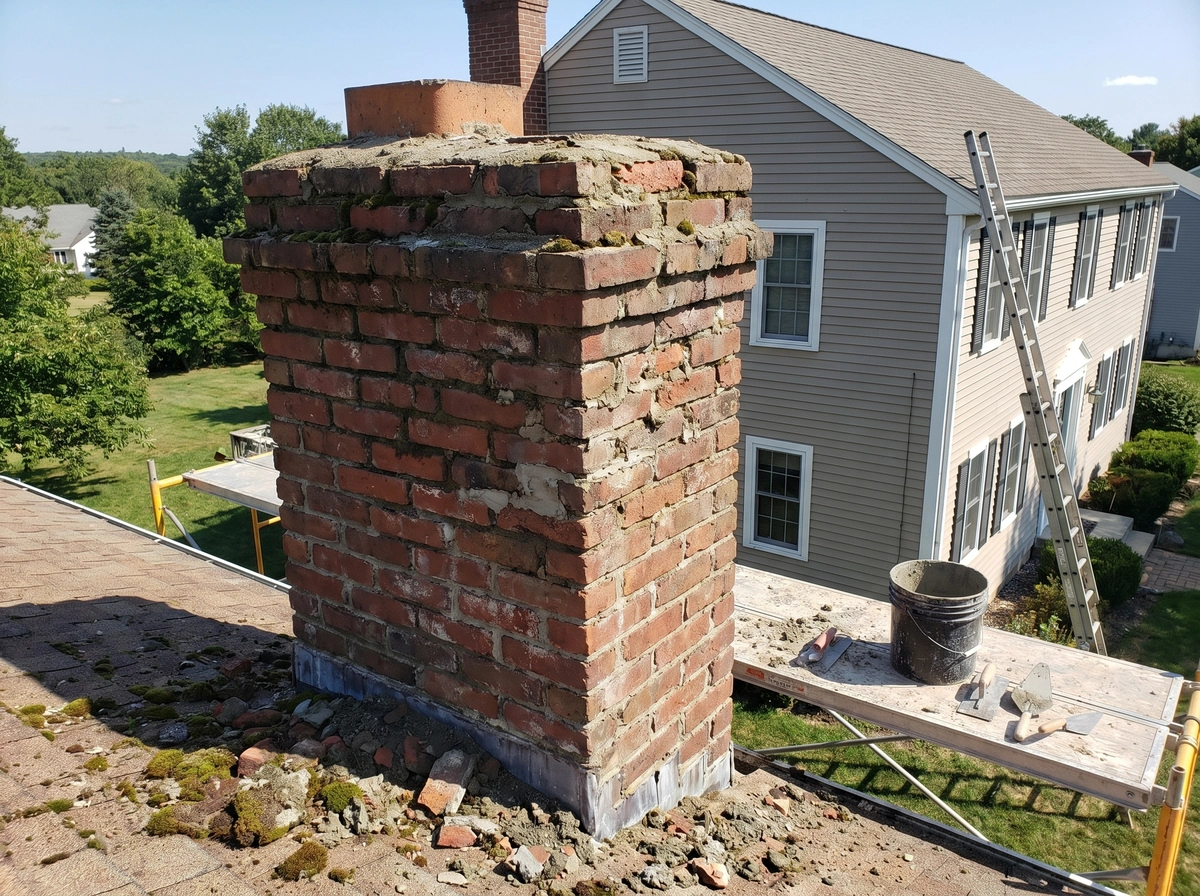
Modern chimney liners have revolutionized chimney fire prevention by providing an essential extra layer of protection between the building’s combustible materials and the flue gases. These liners are crucial in preventing dangerous chimney fires, as they help contain harmful gases and prevent heat from damaging the chimney walls. Using advanced materials like stainless steel and ceramic, contemporary chimney liners offer superior resistance to corrosion and high temperatures. Homeowners can significantly benefit from incorporating the latest liner technology into their chimney systems to enhance the safety and longevity of their homes.
Stainless steel and ceramic liners are two prominent examples of technological advancements in the field of chimney liners. These materials are not only more durable than traditional clay tiles but also more resistant to the extreme conditions within your chimney. This durability is a key factor in chimney fire prevention, providing homeowners with peace of mind regarding the integrity of their chimney systems.
Modern chimney liners are engineered with various safety features that bolster chimney fire prevention. They effectively prevent the buildup of creosote, a significant contributor to chimney fires. Additionally, these liners provide airtight seals, which help prevent dangerous instances of gas leaks within your home.
By leveraging these technological advances, homeowners can significantly enhance their chimney fire prevention efforts, ensuring a safer living environment.
Recognizing the warning signs of a potential chimney fire is a vital part of effective chimney fire prevention. Taking immediate action when these signs are present can prevent a hazardous situation from escalating. One of the most common indicators is a loud cracking or popping noise, which may signify that soot and creosote in the chimney are igniting. It’s essential to be vigilant and never ignore these auditory signals, as they can quickly lead to a full-blown fire.
Aside from auditory cues, there are other clear signs to look for that suggest a chimney fire may be occurring. Dense smoke is a significant red flag. If you notice thick, dark smoke billowing from your chimney, it’s crucial to take preventive measures immediately. Additionally, an intense, hot smell that permeates your living space should prompt further investigation. These visual and sensory indicators are key in effective chimney fire prevention strategies.
Taking swift measures upon detecting any warning signs can drastically reduce the risk associated with chimney fires. Ensuring regular chimney inspections and cleanings is fundamental in preventing these dangers. By recognizing these warning signs early, homeowners can protect both their property and the lives of their loved ones. Remember, vigilance and knowledge are your best tools in chimney fire prevention, keeping your home safe and secure.
Comprehensive chimney maintenance is essential for ensuring that your home remains safe from potential hazards. While routine cleanings and inspections are fundamental, effective chimney maintenance involves a broader range of strategies. Consistent monitoring and prevention of creosote buildup, a significant factor in chimney fire prevention, must be a priority. Using seasoned hardwoods can further reduce creosote accumulation, thus lowering fire hazards.
Innovative technologies have expanded the arsenal of chimney fire prevention tools available to homeowners. Chimney liners, for instance, offer additional protection by creating a barrier between flue gases and combustible materials. Ensuring that a chimney cap is installed can prevent debris and animals from clogging the chimney, which is crucial for safe operation. Regular maintenance, combined with technological advancements, substantially decreases the likelihood of chimney fires.
To fully safeguard your home, incorporating best practices is vital. Consider the following proactive steps:
These steps are crucial for comprehensive chimney fire prevention, helping to protect your home and loved ones throughout the seasons.
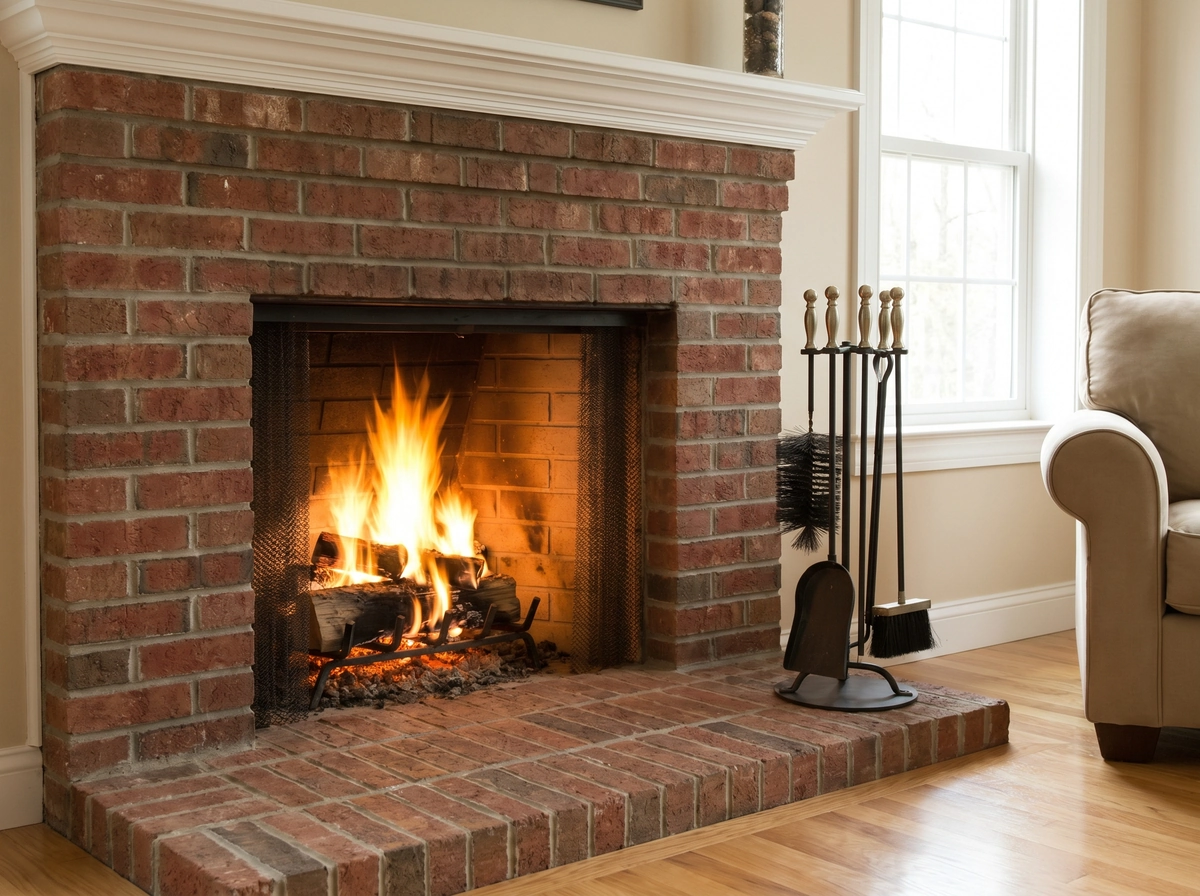
Enhancing chimney fire prevention doesn’t stop at regular cleaning and inspections. One effective measure is installing smoke detectors near your fireplace, which can act as an early alert system in case of a chimney fire. It’s also crucial to use heat-resistant materials and barriers around the fireplace area to ensure that nearby combustible materials are well-protected. These measures, combined with regular maintenance, can significantly enhance your home’s safety.
Incorporating fire extinguishers within accessible areas of your home is a prudent step in chimney fire prevention. Additionally, ensuring that you have adequate escape routes planned can be vital in case of an emergency. It’s not only about preventing fires but also about being prepared for unexpected situations.
Consider installing glass doors on your fireplace, which can help contain sparks and reduce the risk of chimney fires. Another preventive step is to ensure that all family members are aware of the basic signs of a chimney fire, such as loud popping noises and dense smoke. Staying informed and prepared can make all the difference in effective chimney fire prevention.
While DIY maintenance can be effective in certain situations, the value of professional assistance in chimney maintenance cannot be understated. Chimney fire prevention requires more than just basic cleaning; it requires a skilled eye to identify potential hazards that homeowners might overlook. Professionals possess the expertise and specialized equipment needed to address complex issues such as structural damage or improper ventilation.
Chimney experts use advanced tools and techniques for thorough inspections and repairs, which are critical for effective chimney fire prevention. Their specialized gear ensures every part of your chimney is assessed, identifying risks invisible to the untrained eye.
Hidden issues like creosote buildup or cracks in the chimney liner can go unnoticed without professional scrutiny. Regular inspections by experts can prevent these unnoticed issues from escalating into serious safety hazards, offering peace of mind to homeowners.
Additionally, professionals provide invaluable advice on maintaining your chimney between visits. This guidance can include recommending the best types of wood to use, such as seasoned hardwoods, to further aid in chimney fire prevention. Ultimately, engaging professionals is a proactive step towards ensuring the safety and longevity of your chimney system.
In the event of a chimney fire, the immediate priority is the safety of everyone in the household. Recognizing the signs early, such as loud cracking noises or intense heat, is essential in implementing chimney fire prevention measures. As soon as a chimney fire is suspected, evacuate everyone from the home and call emergency services. It’s crucial to have a family emergency plan in place that includes designated safe meeting points outside the home.
While waiting for emergency services to arrive, try to contain the fire if it’s safe to do so. Close any doors that lead to the fireplace or wood stove to limit the fire’s oxygen supply. A well-prepared homeowner practicing chimney fire prevention should have a fire extinguisher accessible. Only attempt to use it if the fire is small and manageable. Never pour water directly into the fireplace, as this could cause cracked flue tiles due to rapid temperature changes.
Once professionals arrive, inform them about the specific location of the fire and any attempts made to control it. Having a diagram of your home’s layout can be incredibly beneficial in such situations. This not only aids in the swift resolution of the incident but also reinforces ongoing chimney fire prevention efforts by allowing firefighters to address specific areas of concern while mitigating potential damage to the property.